
The Practice of Focusing
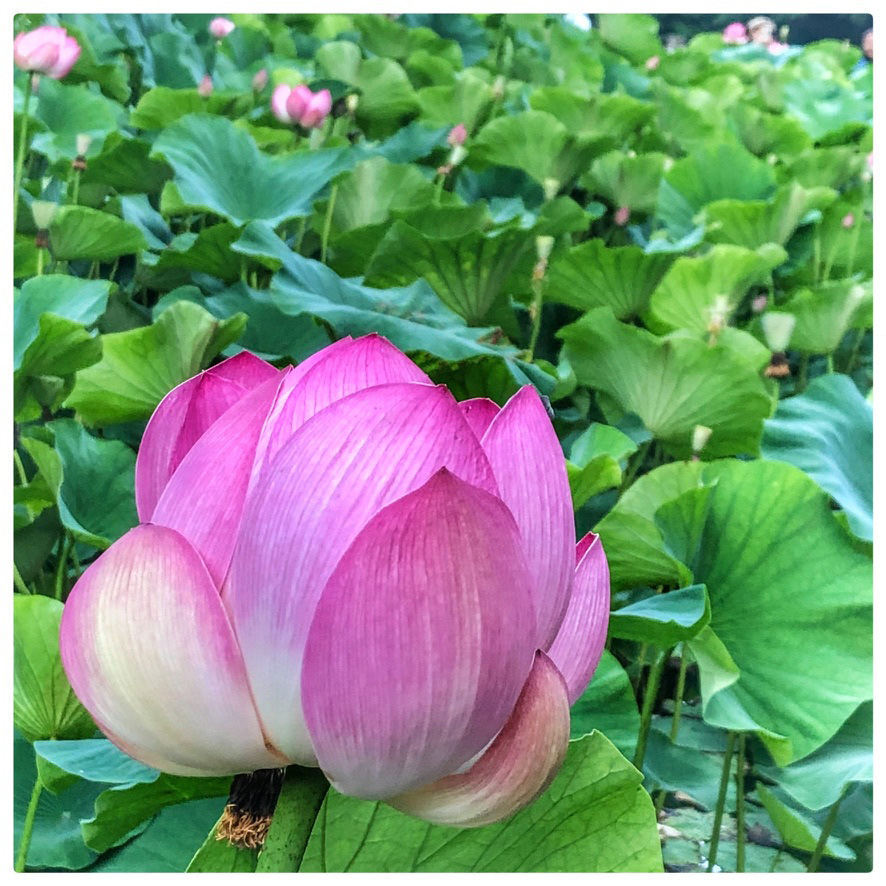
In winter 2023, soon after I began exploring Zen as a path of personal development, Roshi Paul Genki Kahn, co-founder of the Zen Garland Order, offered a 12‑week class described as “a body-centered, meditative process for awakening to, reintegrating, and healing… grounded in the work of Eugene Gendlin, philosopher, psychologist and collaborator with Carl Rogers”. Eager to try another body–mind practice, I signed up.
I didn’t know what to expect, but I was intrigued that the Zen Garland Order regarded Focusing as one of the Core Practices of Zen Training. The class drew a surprisingly large and diverse group, with people from different countries, backgrounds, beliefs, ages, and life experiences meeting once a week for a mix of lecture, demonstration, and small breakout groups that made it easy to connect with others.
We were introduced to new language, including the “felt sense”: the implicit, somatic, pre‑verbal knowing carried in the bodymind. We practiced the basics of both companioning and focusing as a “lay” interpersonal practice, distinct from Focusing‑oriented therapy, with the intention of “gently engaging the felt sense where painful memories, emotions, and distorting beliefs intertwine and keep us stuck in repetitive patterns, so that new clarity and perspective can emerge”.
As a beginner, I understood the ideas but struggled to actually find the felt sense. Over time, practice helped me distinguish this subtle, unformed quality from familiar bodily sensations like aches and pains, and from more obvious emotions, whether pleasant or unpleasant.
A typical session looks like a twenty‑minute meditation in which the Focuser is invited to express a felt sense in a judgment‑free, confidential space. The companion’s role is to let the Focuser go where they need to go, simply reflecting their words—for example, if the Focuser says “there’s just a weight on my shoulders” or “there’s this kind of ‘ugh’ feeling,” the companion might respond, “you’re sensing a feeling of ‘ugh’,” and then allow quiet space for further sensing in and around that experience if desired. Hearing my words said aloud by another felt grounding and validating.
The companion’s simple reflections also helped make my uncertainties feel less awkward, and I felt respected and safe. Over time, I learned what style of companioning helps me feel most supported and how to be more present when companioning others. The class gave us many chances to practice Focusing each week with different people.
At first the whole process felt strange, and I often wondered if I was “doing it right.” With curiosity and repeated practice, I gradually relaxed into sensing and expressing experiences that didn’t yet have a clear, conscious name as a thought, feeling, or story. The class encouraged me to keep Focusing in the months that followed, and I continued to meet periodically with different partners from that first cohort over the next two years.
Over time, the skill of sensing a felt sense has helped me open up my meditation practice into more of a living laboratory, a place to experiment and process everyday experiences through the bodymind. It has softened how I relate to different parts of myself and to long‑standing habits, helping me acknowledge them as part of me rather than something to fight against or push away.
Beginning February 14, 2026, I will be volunteering as a Zen Focusing Mentor with the Zen Focusing class led by Roshi Paul Genki Kahn and Rev. Dr. David Shiho Rosenstein. I hope you’ll consider joining us!
~ Kai Hoshiko Starn
Zen as a way of being means transforming ourselves, our lives, our being in the world into a “field of benefaction.” This is not about being nice, compliant, or passive. Zen bares the interactive, interdependent and co-creative networks that constitute life itself. The path of Zen includes awakening to our primal identity with all being; and learning to navigate skillfully through life’s networks promoting awareness, care, cooperation, and harmony.
~ Roshi Paul Genki Kahn